
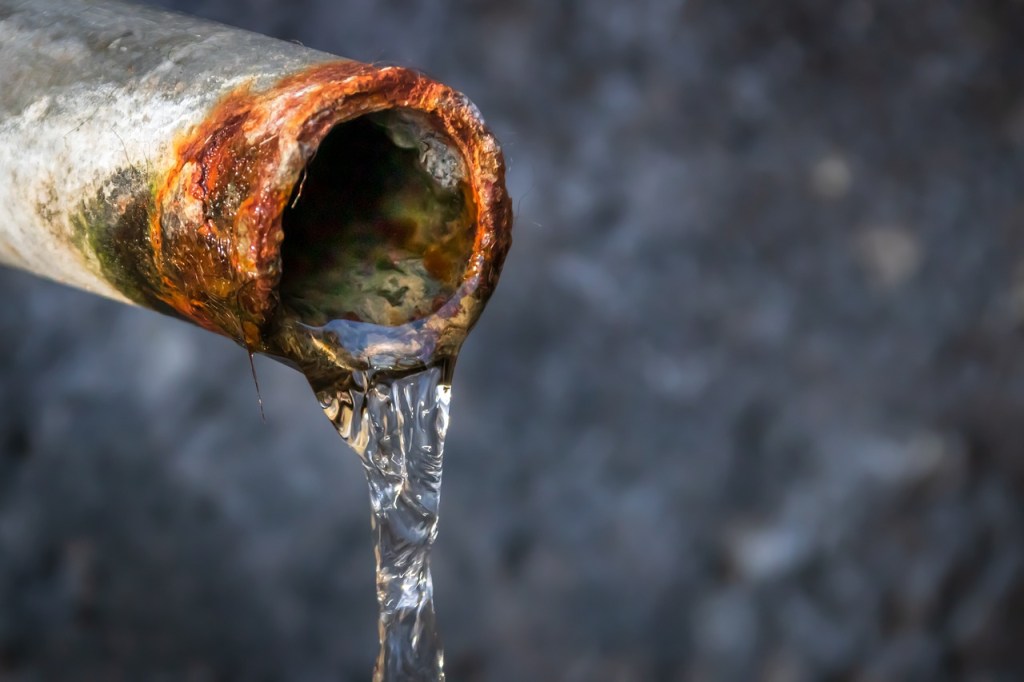

Water in your basement can cause significant problems: damage to personal belongings, destruction of finished spaces, and even compromising the foundation of your home. The good news? With the right precautions, you can safeguard your home from costly water damage. Here are some essential tips to protect your basement and improve your home’s overall water management.
Outdoor Tips
- Maintain Gutters and Downspouts: Ever seen a small forest growing out of someones gutters… that’s not good for a multitude of reasons.
In addition to inviting gross pests (think million-leg-a-pede), this can also lead to clogs and may cause your gutters to spill out over the sides, creating a not-so-romantic waterfall in front of your door. Which in turn, will flow straight down your foundation, and possibly into your basement.
Regularly clean your gutters and downspouts to prevent clogs;try NOT to get on the roof to do this, especially if you have an asphalt single roof. Any movement on the roof will erode the grit that is on there to keep your roof safe. - Direct Water Away: Downspouts are great… but they are meant to carry water away from the house, not just bring it down to crate a temporary water feature at the bottom of them. Make sure that downspouts direct water at least six feet away from your foundation, there are many options for this: rigid gutter extensions, extensions that unfurl when it rains, or easily removable extensions.
If you want to get really fancy, or just need a project, look into french drains, or even better, direct water to a rain garden (see below for my application of this suggestion)! - Slope Ground Away: Check that the ground around your home slopes away at a rate of one inch per foot. Typically this involves adding dirt, but you also don’t want to bring the dirt up over your brick or siding of your house.
- Avoid Problematic Planting: What does that mean!? Well, it mean if you are creating a garden bed, make sure to plant trees and large shrubs away from your foundation.
But WHY? Well root. That’s why! Roots have a bad habit of trying to find a cozier space to live, and they are relentless. If they find a crack they will shimmy right in and make the crack bigger. This can lead to additional cracks or drainage issues. - Use Native Vegetation: Did you know that not all plants are created equal? Native plants are those that have adapted to our local climate. Because of that, they are champions at surviving dry periods, and because of that, many have very long tap roots that will not only absorb lots of water but also draw it down into their massive root system, and away from your house (note, we are now zone 6a in McLean County, slightly north of us is 5b).
- Porous Materials: Confused again by this term? It’s ok, I didn’t know either. Porous material is one that allows the water to trickle through it, and go into the ground, instead of all racing down the sidewalk or drive, into your yard. Use porous materials for driveways and walkways to allow water to drain naturally.
Flagstone or pavers are a great option because they often have gaps between the stones that allows water to pass through more slowly, and hopefully not pool near your house. - Install a French Drain: Ooo LaLa! French drains are like a sneaky escape route for water, guiding it to take the scenic route far away from your foundation.
They’re simple but brilliant: a trench filled with gravel and a perforated pipe that says, “Move along, nothing to see here.” Perfect for soggy yards and overzealous rainstorms, they keep your basement dry and your foundation out of trouble. - Seal Exterior Openings: All of them. All windows, doors, foundation cracks, missing mortar in bricks, egress window covers and wells, All. Of. Them.
Sealing exterior openings is like locking your doors to keep water from crashing the party. Foundation cracks, egress windows, and gaps around doors or siding are basically open invitations for water to sneak in and make itself at home in your basement. This helps save your foundation and basement from costly repairs and unwanted puddles. - Protect Sewer Lines: Avoid planting large trees near sewer lines to prevent roots from causing backups. You might also consider having your sewer lines checked to confirm you don’t have any roots growing in them that could slow drainage, and if there are roots, have them cleaned out.
Best advice on sewer lines though, have an inspection BEFORE you close on a house (during your inspection period).
Practical Application – Rain Garden with Native Plants

This is my rain garden. It started with the big grass in the back. I planted that when I moved in… and got tired of the soggy corner. The white near the middle is where our sump pump drains… so I got plants that like water!
Indoor Tips for Your Basement
- Install a Sump Pump: Ensure you have a sump pump and consider adding a backup. Test it annually to confirm it’s working properly.
- Seal Cracks: Repair any cracks in your foundation to prevent water seepage. Duct tape and sillypuddy are not proper repair tools. Also avoid foam filler.
- Waterproof Walls: Ever wonder how a pool hold water? That white paint is actually waterproofing. Apply a waterproof sealer to porous walls to keep water out.
Some good go-tos are Kilz and Drylok. However, these are VERY STRONG so make sure you do this when you have the option of opening all windows and have proper ventilation.
Source: 20+ years ago I helped someone waterproof their basement but they didn’t open enough windows and I almost passed out…
General Plumbing Tips
- Maintain Your Water Heater: Schedule an annual service and flush your water heater to extend its life and improve efficiency. Sediment tends to build up in the bottom, decreasing the amount of space for hot water.
- Avoid Improper Disposal: Never put items down sinks or toilets that don’t belong there, as this can lead to clogs and backups.
- Prevent Frozen Pipes: Keep your home’s thermostat above 60°F during colder months.
- Fix Leaks Promptly: Address running toilets and leaking faucets immediately by hiring a professional.
- Watch for Ceiling Discoloration: If you notice discoloration, it’s likely a sign of a leak. Call a professional to assess the damage and repair the issue.
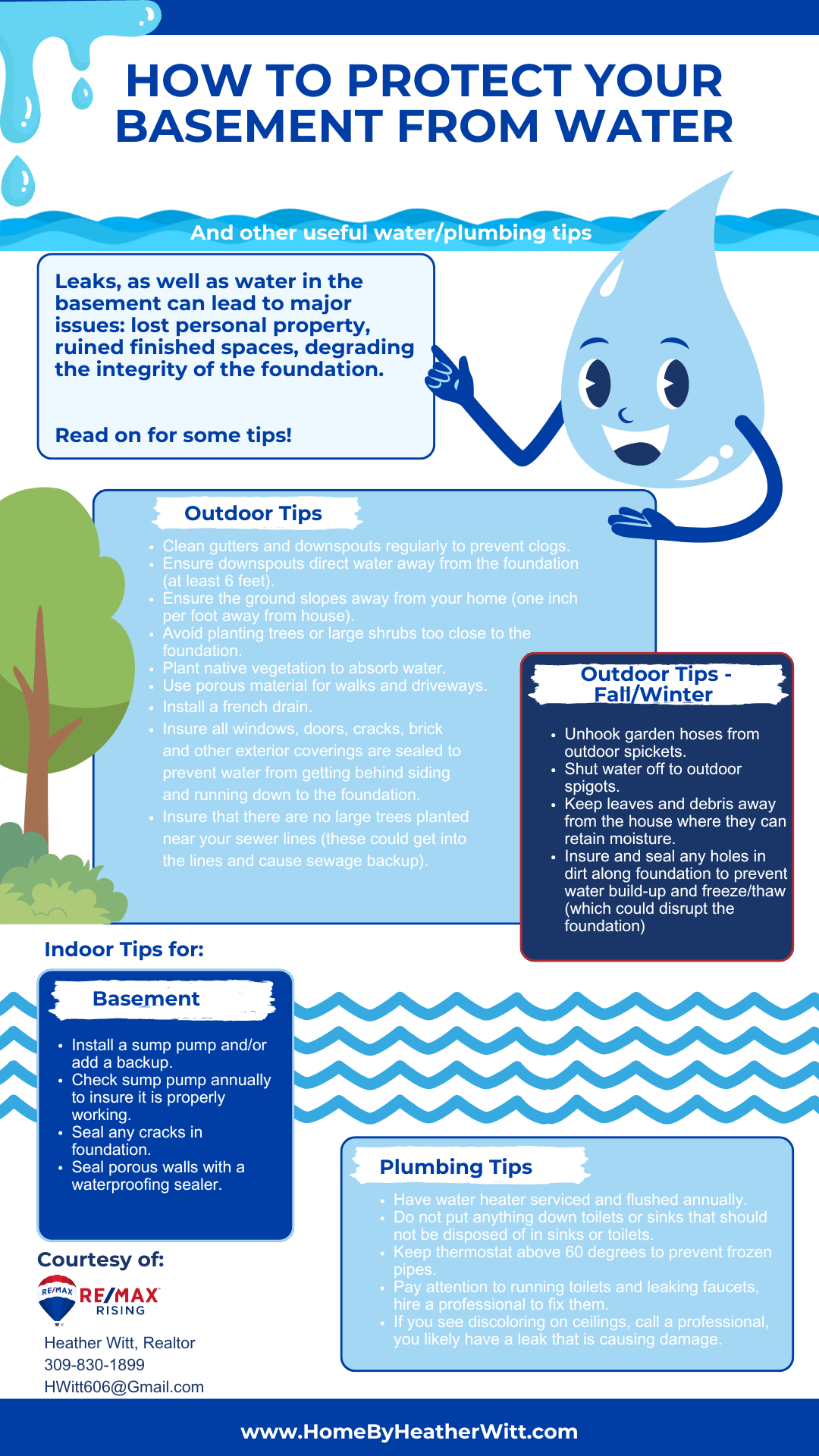
Protecting your basement from water is a game of strategy. Keep gutters clean, water moving away, and cracks sealed tighter than your favorite secrets. Don’t forget to show your plumbing some love too—because nothing says “home sweet home” like keeping leaks, floods, and chaos at bay. Follow these tips, and you’ll be saying, “Water damage? Never heard of it.”
Click the image to the left for a full size image that you can keep for reference.





 Heather Johnson - Home in the Chaos
Leave a comment