
Buying or selling a home can feel like taking a trip to Spain using only three years of high school Spanish.

You’re working with a Realtor, but everyone is using words you’ve heard before. You kind of know what they mean… but not really. You don’t want to look dumb, so you nod, smile, and hope it all works out.
That is no way to go through one of the biggest financial transactions of your life.
That’s why I created this post. I’m breaking down who’s involved, what they actually do, and who’s working for you, and who isn’t working for you.
Looking for a specific player? Click below:
- Buyer
- Seller
- Seller’s Agent (AKA Buyers Agent)
- Listing Agent (AKA Sellers Agent)
- Attorney
- Closing Agent
Buyer
Role: The buyer is the person purchasing the home. Obviously.
What They’re Expected to Do:
- Get Prequalified: This shows sellers you’re serious and tells you what you can comfortably afford.
- Make an Offer: When you find the one, you commit. Your agent handles the paperwork and strategy.

- Prepare Repair Request: After the inspection, the buyer and their agent create a repair request. This is about safety and defects, not loose doorknobs or things you could fix in 10 minutes with a YouTube video. Remember, this house is (likely) not brand new and will have some quirks. Your Realtor will submit the request to the seller’s agent.
IMPORTANT NOTE: In Illinois, if safety and defect items total less than $2,000, the seller isn’t required to respond, and the buyer is required to move forward with the contract. - Attend Final Walkthrough: This usually happens the morning of closing. The buyer walks through the home to make sure the agreed-upon repairs were completed, the house is in the same condition as when they made the offer, and the seller’s personal items are out. It’s also a quick check that appliances and systems are still working and nothing unexpected has changed. This is the buyer’s last chance to flag issues before closing.
- Attend Closing: At closing, the buyer signs the final documents, pays closing costs, and officially takes ownership of the home.
Seller
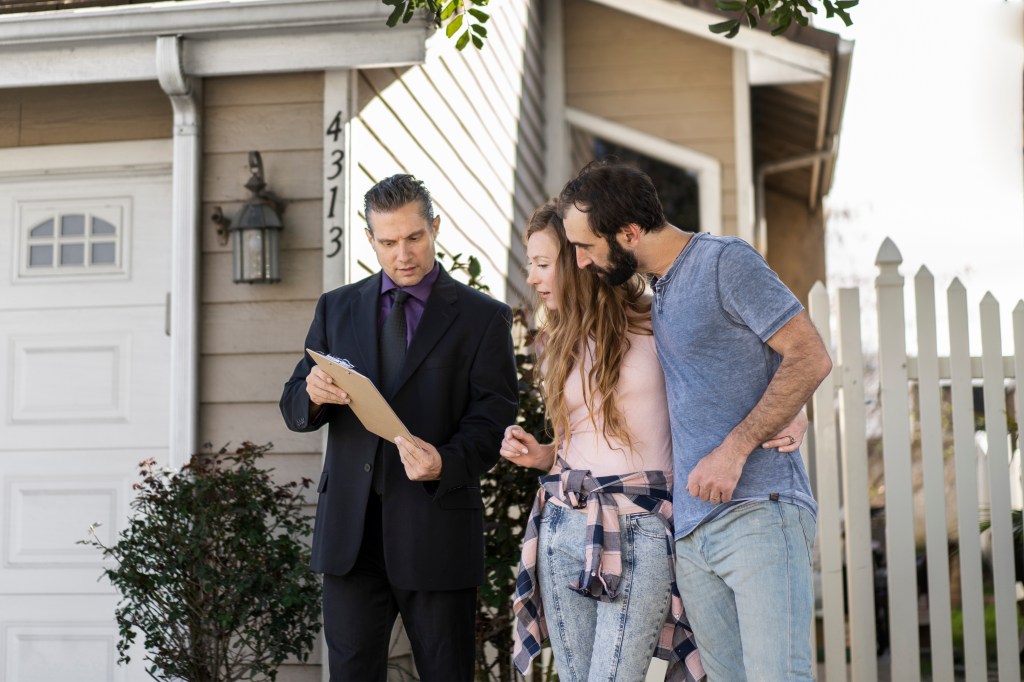
Role: The seller is the current homeowner. Sometimes that’s one person. Sometimes it’s an estate or multiple decision-makers, such as when the owner has passed.
What They’re Expected to Do:
- Review Offer(s): Your agent explains them. You decide what works best.
- Negotiate Repairs: Sellers may negotiate repairs with the buyer after inspections. Your agent will advise you on your options. While requests should focus on safety and defects, smaller items sometimes appear. You don’t have to fix everything, but addressing a few minor issues can help keep the deal moving smoothly.
- Prepare for Closing: Sellers gather documents (make sure to get your mortgage payoff early), complete agreed-upon repairs, and have the home fully empty before the buyer’s final walkthrough, usually just before closing.
- Attend Closing: You sign, ownership transfers, and proceeds are distributed.
Buyer’s Agent (Also Known as Selling Agent, confusing I know)
Role: The licensed Realtor that works under contract. The buyers agent is legally obligated to do what is best for the buyer (not for themsleves).
What They’re Expected to Do:
- Finds homes (MLS, FSBOs, private listings, the stuff you don’t see online),
- Schedules and attends showings offering insight and expertise,
- Confirms offer price using comps to detremine if the house is priced correctly,
- Writes and negotiates offers,
- Coordinates with Lender, Attorney, Listing Agent and closing compnay,
- Attend and advise on inspections
- Interprits and drafts repair requests
- Keeps track of deadlines (this is a big one—missed dates = lost money),
- Schedule and attend final walkthrough.
- Attends closing. Our job is to be a familiar face, a cheerleader, a calming influence, and if necessary, to help you understand further what you are signing (though we are not experts, that’s why we suggest an attorney who can better understand all of the legal jargon).
Sellers’s Agent (Also Known as Listing Agent)
Role: The listing agent is THE SELLER’S representative. They are THE SELLERS experts. The Seller’s Agent, or Seller’s Realtor legally obligated to do what is best for the seller, not themselves. This is outlined in the Listing Contract.
What They’re Expected to Do:
- Preview the home: Reviews the property, notes features, issues, and updates, and helps identify what matters before listing.
- Providing Market Analysis: Uses recent sales and market data to recommend a competitive, realistic price.
- Writing & Negotiating Offers:Reviews contracts, negotiates terms, and advises on inspection and repair requests.
- Schedule Inspections & Advise on Repairs: Works with the buyer’s agent, lender, and attorney to keep inspections and appraisal on track. Sellers and listing agents do not attend inspections.
- Coordinating with Lenders & Attorneys
- Schedule the Final Walkthrough
- Attend Closing: Helps ensure repairs are addressed, the home is ready for the final walkthrough, and the seller gets to closing smoothly.
Attorney
Role: The real estate attorney handles the legal side of the transaction—reviewing contracts, protecting your interests, and stepping in if something gets complicated. Not required in Illinois, but often worth it.
What They’re Expected to Do:
- Review the Contract: Looks it over during attorney review, clarifies language, and flags issues before they become problems.
- Negotiate Legal Terms: Works with the other attorney on contract changes, repairs, or credits when needed.
- Examine Title Work: Confirms the seller can legally transfer ownership and that there are no liens or surprises.
- Coordinate with the Title Company and Lender: Makes sure documents are correct and ready for closing.
- Attend or Review the Closing: Ensures everything is accurate and answers last-minute legal questions.
- Step In When Issues Arise: Missed deadlines, disputes, or someone trying to back out? This is who protects you.
Closing Agent
Role: The closing agent is the neutral third party who makes sure everything is completed correctly and legally. They handle the final paperwork, manage the money, and coordinate everyone involved to get the deal officially closed.
What They’re Expected to Do:
- Prepare Final Documents: Organizes and prepares closing paperwork, including the settlement statement, deed, loan documents, and required disclosures.
- Handle Funds: Collects and distributes all funds: down payments, loan proceeds, agent commissions, taxes, and closing costs.
- Coordinate Communication: Works with agents, attorneys, lenders, and the title company to make sure everything is complete and accurate before closing.
- Confirm Clear Title: Ensures title issues are resolved and that title insurance is issued when applicable.
- Record the Sale: Files the deed and required documents with the county to officially transfer ownership.
- Provide Copies: Makes sure all parties receive signed copies of the closing documents for their records.
Sound like a lot? I certainly can be. If you are thinking of buying or selling a house, please reach out to me. I can answer all your questions and make the process a lot easier!




 Heather Johnson - Home in the Chaos
Leave a comment