

Once you start noticing the small changes in your life, the question becomes:
What would it look like to stay in your home as you age?
Aging in place isn’t about pretending nothing will ever change.
It is about making intentional, thoughtful decisions before a situation (or someone else) makes the decision for you.
Reacting is stressful.
Preparing is empowering.
Being honest with yourself now gives you the ability to make your own choices so you can remain in your home safely for as long as it makes sense.
Step 1: Start Planning Early (Yes, now, not later.)
Here’s an honest (and slightly silly, but valid) question:
If we don’t plan for the future, will that stop it from happening?
Obviously, the answer is no. It will still happen, but you will be reacting, and available options will be much harder to find.
What decisions are most important for you to make independently?
- Medical choices?
- Where will you live?
- Who controls your financial decisions?
- Additional assistance or care?
What decisions could you make today (or in the near future), that would ensure that you would still be in control of as much as possible?
Planning early can feel like you’re planning for your own decline, but in reality, it protects your freedom. Even little things like researching assistance options, learning about retirement communities (without committing), or finding local support groups can replace fear and insecurity with confidence and peace.
Step 2: Think About Realistic Future Needs
Staying in your home forever isn’t realistic without some level of support. Reassure yourself, this is ok! Independence doesn’t necessarily mean doing everything alone.
Ask yourself:
- What chores already feel harder than they used to?
- Laundry?
- Cleaning?
- Cooking?
- Yardwork?
- If your balance, strength, or vision changed, what would help you feel safe at home?
Do you know what community resources exist (If not, email me. I’m happy to help connect you)?
There are far more resources for aging adults than most people realize. The key is learning about them early, before you are in panic mode trying to navigate the internet.
Step 3: Declutter With Intention
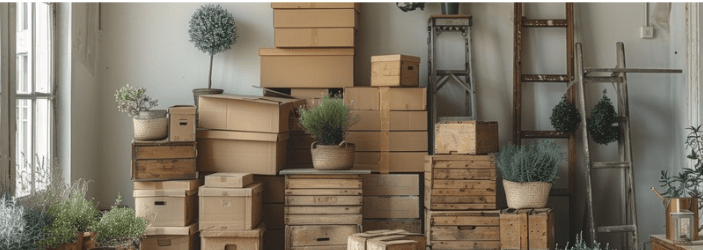
You collect a lot of life along the way. Over time, those belongings can become unintended obstacles, both physically and emotionally.
This is not about “getting rid of everything.”
It is about making your home work for you, right now and in the future.
Try this:
- Start small: one drawer, one shelf, one cabinet.
- Get rid of the easy things first: expired items, broken gadgets, old paperwork.
- Focus on one room at a time so it doesn’t feel overwhelming.
Most importantly, give yourself permission to feel things as you go.
Decluttering isn’t just physical; it can be very emotional, too.
Step 4: Make Your Home Safer
Making your home safer doesn’t have to mean major renovations.
Start with a few simple questions:
- If you fell or needed help, could you easily call for assistance?
- Sometimes the solution is as simple as a medical alert necklace or bracelet.
- Are there tripping hazards?
- Loose rugs, cords, uneven flooring, thresholds, extra décor, or boxes.
- Are there areas that would be harder to navigate with assistance?
- Steps, narrow doorways, tight hallways, showers.
These adjustments are less about appearance and more about staying independent.
Overwhelmed yet?
I understand, this isn’t easy. It shouldn’t feel rushed, and it’s best to address these things before you are under pressure.
Everyone deserves time, clarity, and support when making decisions about their home and their future.
Sometimes what helps most is having someone walk through the house with you:
- Noticing the things that could make life harder later.
- Writing them down for you,
- Helping you think through the next steps when you’re ready.
In the final phase of my Senior Series, we’ll get more specific.
Phase 3 will focus on a clear, practical list of things to watch for in your home, and the small issues that often get overlooked until they become bigger problems.
You and your family don’t have to figure this out alone.
I’ve seen how difficult these decisions can be, especially for people who have built a lifetime in one home. I care deeply about the stories people share and what their homes represent. I’ve often wished this kind of support had existed sooner for people I love.
When you’re ready, I will take this walk with you.
Together, we will:
- Move through the home together.
- Look for things that might make life harder over time.
- Organize them into a clear, thoughtful priority list.
I’ll talk through realistic cost ranges for making your home safer to age in place. And I will connect you with a trusted person who cares as deeply as I do, who can handle the work you or your family may not be able to take on.
There’s no deadline on any of this. You don’t have to decide everything today, or even this year.
I’ve created a worksheet you can use to walk through these questions at your own pace.
Some people prefer to sit quietly and reflect; others like to work through it with someone they trust.
Send me an email at HWitt606@gmail.com. I can send one you can print, or I’m happy to drop one off.


 Heather Johnson - Home in the Chaos
Leave a comment