
Buying an older home comes with plenty of charm—detailed woodwork, sturdy craftsmanship, and a sense of history. But alongside the character, you might also hear a few words of caution about potential hazards, one of the most common being asbestos. Before you panic and start imagining a hazmat suit as part of your daily wardrobe, let’s break down what asbestos is, when it’s a concern, and how you can handle it responsibly if your dream home contains it.
I pulled information from the Consumer Product Safety Commission as well as as the EPA website for information used in the post below.
What is Asbestos, and Why Was it Used?
Asbestos is a naturally occurring mineral that was widely used in building materials from the 1930s to the 1970s. It was prized for its durability, fire resistance, and insulating properties. You might find it in older homes in products such as insulation, flooring, siding, and even some ceiling tiles. While it was banned for most uses in the late 1970s, many homes built before then may still contain asbestos in some form.
When is Asbestos Dangerous?
The key thing to understand about asbestos is that it’s not inherently dangerous—unless it’s disturbed. If left undisturbed, asbestos-containing materials (like insulation hidden behind walls or in the attic) are not a direct health hazard. The risk comes when asbestos fibers become airborne and are inhaled, which can lead to respiratory diseases over long-term exposure. This is why the EPA and other experts recommend a “leave it alone” approach unless there’s a reason to remove it.
What If My House Has Vermiculite Insulation?
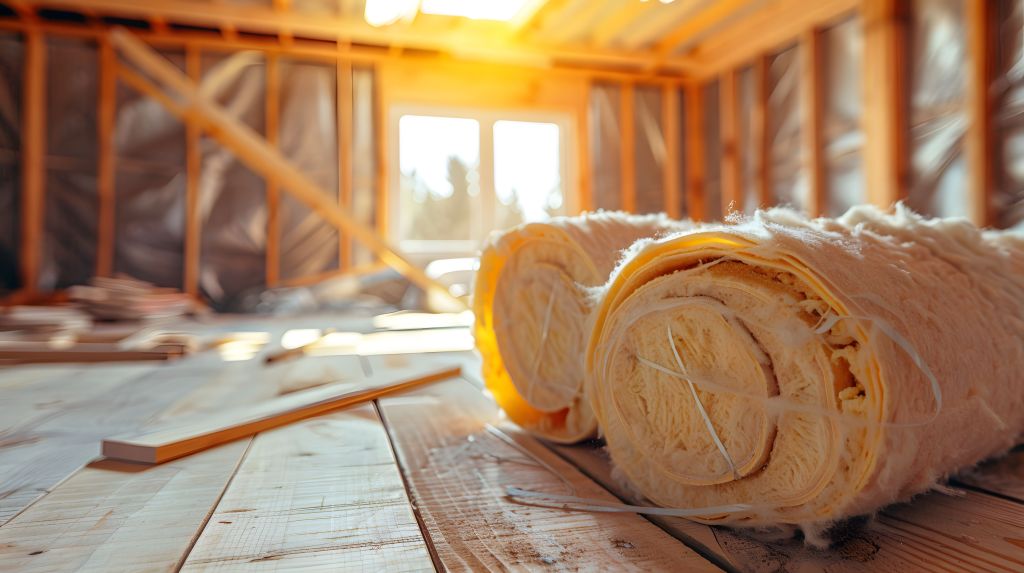
One common asbestos-containing material found in older homes is vermiculite insulation, often found in attics. The EPA advises that homeowners assume vermiculite contains asbestos and avoid disturbing it. That means:
- Don’t store items in an attic with vermiculite insulation.
- Avoid frequent trips to the attic, and limit the time spent there.
- Don’t let kids play in areas with exposed vermiculite insulation.
- Most importantly, don’t try to remove it yourself—hire a certified asbestos professional if removal is necessary.
Do You Need to Worry About Asbestos When Buying an Old Home?
Buying an old home often means embracing some quirks—creaky floors, outdated wiring, and, yes, the possibility of asbestos. But just because a house has asbestos-containing materials doesn’t mean it’s unsafe. If the asbestos is in good condition and undisturbed, it’s typically not an immediate concern. If you plan to renovate or remodel, you may need to have materials tested and, if necessary, removed by a professional.
The Bottom Line: Knowledge is Power
Instead of fearing asbestos, think of it as just another factor to consider when buying an older home. Knowing where it might be, how to handle it safely, and when to call in the pros can help you make informed decisions without unnecessary stress. As with any home purchase, an inspection and professional guidance can go a long way in ensuring your dream home is both beautiful and safe.
So, if you’re eyeing that gorgeous old Victorian or mid-century charmer, don’t let the A-word scare you off. With a little knowledge and the right precautions, you can enjoy your home’s character and history—without unnecessary worry.
Here is a document with more information.
NOTE: Due diligence is always expected of you as a buyer. The information posted here was pulled from sources noted above. I am not a licensed asbestos expert.


 Heather Johnson - Home in the Chaos
Leave a comment